Common Treatments for Alcoholism?
Conventional Medicine for Alcohol Dependence
When the alcoholic accepts that the issue exists and agrees to stop alcohol consumption, treatment options for alcoholism can start. She or he must realize that alcohol addiction is treatable and must be driven to change. Treatment has three stages:
Detoxification (detoxing): This could be required as soon as possible after stopping alcohol consumption and could be a medical emergency, considering that detox can cause withdrawal seizures, hallucinations, delirium tremens (DT), and in some cases may lead to death.
Rehab: This involves therapy and medicines to offer the recovering alcoholic the skills required for preserving sobriety. This step in treatment can be done inpatient or outpatient. Both of these are equally effective.
Maintenance of sobriety: This phase's success mandates the alcoholic to be self-motivated. The secret to maintenance is support, which frequently includes regular Alcoholics Anonymous (AA) gatherings and getting a sponsor.
For a person in an early stage of alcoholism, stopping alcohol use might result in some withdrawal symptoms, consisting of stress and anxiety and poor sleep. If not addressed professionally, people with DTs have a mortality rate of additional than 10 %, so detoxification from late-stage alcohol dependence must be pursued under the care of an experienced medical doctor and might necessitate a brief inpatient stay at a hospital or treatment center.
Treatment might involve several medications. Benzodiazepines are anti-anxiety drugs used to remedy withdrawal symptoms like anxiety and disrupted sleep and to defend against convulsions and delirium. These are one of the most frequently used medications throughout the detoxification cycle, at which time they are generally tapered and then terminated. They need to be used with care, since they might be addictive.
There are several medicines used to help people in rehabilitation from alcoholism preserve sobriety and sobriety. One drug, disulfiram might be used once the detox stage is complete and the person is abstinent. It interferes with alcohol metabolism so that consuming alcohol a small quantity is going to cause queasiness, vomiting, blurred vision, confusion, and breathing difficulty. This medicine is most http://dictionary.reference.com/browse/alcoholism?s=t suitable for problem drinkers who are highly driven to stop drinking or whose medication use is monitored, because the drug does not impact the compulsion to consume alcohol.
Yet another medicine, naltrexone, decreases the longing for alcohol. Naltrexone can be supplied whether or not the individual is still drinking; however, just like all medicines used to remedy alcohol dependence, it is advised as part of an extensive program that teaches clients new coping skills. It is presently offered as a controlled release injection that can be given on a monthly basis.
Acamprosate is another medication that has been FDA-approved to minimize alcohol yearning.
Research suggests that the anti-seizure medicines topiramate and gabapentin might be of value in minimizing yearning or stress and anxiety during rehabilitation from drinking, despite the fact neither one of these pharmaceuticals is FDA-approved for the treatment of alcohol dependence.
Anti-anxietymedicationsor Anti-depressants drugs might be used to manage any resulting or underlying stress and anxiety or depression, but since those symptoms might disappear with sobriety, the pharmaceuticals are usually not begun until after detoxing is finished and there has been some period of sobriety.
The objective of recovery is overall sobriety because an alcoholic remains prone to relapse and potentially becoming dependent anew. Recovery usually follows a broad-based approach, which may include education and learning programs, group therapy, spouse and children involvement, and participation in support groups. Alcoholics Anonymous (AA) is one http://ragingalcoholic.com/alcohol-dependency-and-drug-addiction-are-family-diseases/ of the most well known of the support groups, however other approaches have also proved profitable.

Nourishment and Diet for Alcohol addiction
Substandard health and nutrition goes along with hard drinking and alcohol dependence: Since an ounce of alcohol has additional than 200 calories but zero nutritional benefit, ingesting serious levels of alcohol informs the human body that it does not need more nourishment. Problem drinkers are frequently deficient in vitamins A, B complex, and C; folic acid; carnitine; selenium, zinc, and magnesium, along with vital fatty acids and antioxidants. Restoring such nutrients-- by supplying thiamine (vitamin B-1) and a multivitamin-- can help recovery and are a vital part of all detox protocols.
At-Home Remedies for Alcohol dependence

Abstinence is the most vital-- and probably the most hard-- steps to recovery from alcohol dependence. To discover how to live without alcohol, you must:
Steer clear of individuals and places that make drinking the norm, and discover different, non-drinking acquaintances.
Join a self-help group.
Employ the assistance of friends and family.
Replace your unfavorable reliance on alcohol with favorable dependencies like a new hobby or volunteer service with church or civic groups.
Start working out. Physical exercise releases neurotransmitters in the human brain that offer a "all-natural high." Even a walk following dinner can be soothing.
Treatment for alcoholism can start only when the problem drinker acknowledges that the issue exists and agrees to stop drinking. For a person in an early stage of alcohol dependence, terminating alcohol use may result in some withdrawal manifestations, including stress and anxiety and disturbed sleep. If not addressed appropriately, people with DTs have a death rate of over 10 %, so detoxing from late-stage alcohol addiction must be attempted under the care of a skilled physician and may mandate a brief inpatient stay at a medical facility or treatment center.
There are several medicines used to assist people in recovery from alcohol dependence maintain sobriety and abstinence. Poor health and http://ragingalcoholic.com/alcohol-and-taxes-infographic/ nutrition accompanies heavy drinking and alcohol addiction: Because an ounce of alcohol has over 200 calories but no nutritional value, consuming big levels of alcohol tells the body that it does not require more nourishment.
The initial point that comes to our mind is that it is negative and needs to be kept away from when we believe about alcohol or alcoholism. People consume alcoholic beverages for a variety of reasons, and if they do not step back at the correct time, it can provoke alcohol addiction. The beginning stage of this is slow-moving and cannot be judged before there are a few warning symptoms from the behavior of an alcoholic.--------rasputin
* Addiction:
http://ragingalcoholic.com/national-drug-control-strategy/
You are surely on the verge of ripening into an alcoholic if you can't accomplish anything without drinking or you need it for doing things that a normal individual can easily accomplish. If you understand the negative repercussions of alcohol on your health, home, and work or private life, and still can't quit drinking it, you are becoming highly addicted to it. Despite regular counseling by a physician and a positive determination to give up drinking alcohol, if one is still incapable to quit the consumption, it is also a warning signal of alcoholism. Overwhelming yearning for drinks in the morning additionally gives an idea about the degree of dependence.
* Drinking Covertly:
People often drink alcohol to get rid of their anxiety or despair, and they do this by drinking alcohol in a location where no one can watch them. They also utilize alcohol as a method of decreasing psychological strain, disappointment, and solitude.
* Damaging Reputation:

If you are being called an alcoholic by people, you need to step back from drinking alcohol, as it might spoil your reputation in your home and provoke quarrels and fights. It might also trigger concerns with friends and/or conflicts at the workplace. If people think negative about you as a result of your drinking patterns, you are heading in the direction of alcohol addiction.
* Hunting for a chance to Drink:
You are probably an alcoholic if you always discover a few method or the other to consume alcohol. If your friends speak about going to a celebration, outing, or an over night stay, and the initial thing that comes to your thoughts is the availability of alcohol or an excellent opportunity to consume alcohol, it is also a red flag that you are getting dependent on it.
* Change in Behavior:
Regular consumption of alcohol can have a damaging effects on your body as well as brain. A few common indicators of alcohol dependence are low desire for foods, short-term memory loss or failure to remember points, unconsciousness, sleeplessness, loss of control over body, and weight loss.
* Concealed Alcoholic Drink:
If you are terrified of showing your liking for alcohol to people and hide it in places like the car, personal cupboard, restroom, etc., it too implies that you are becoming dependent to it.
Wasting Lots of Time at the Tavern:
It is also a sign of alcohol addiction if you while away more time at the pub to consume alcohol than you did before.
* Less Interest in Recreation:

An individual that is on the brink of being an alcoholic would invariably show less interest in a pastime or any type of positive activity.
* Neglected Appearance:
An individual who begins drinking alcohol would care less about his/her body posture, personal hygiene, and grooming. Such type of negative aspects are also symptoms that connect to alcohol abuse.
* Career Issues:
http://ragingalcoholic.com/adult-children-of-alcoholics/
Warning indicators of alcohol dependence can also be identified by things like unsatisfactory work productivity, accusing others for their own mistakes, missing vital meetings and scheduled appointments, problems at work because of hangovers, and arriving late for work quite often.
rasputin
When we think about alcohol or alcohol addiction, the initial point that comes to our mind is that it is negative and needs to be avoided. People consume drinks for many different reasons, and if they don't slow down at the proper time, it can lead to alcoholism. In spite of routine counseling by a doctor and a favorable determination to quit drinking, if one is still unable to quit the drinking, it is as well a warning sign of alcohol dependence. If people believe bad about you because of your alcohol consumption patterns, you are moving in the direction of alcoholism.
Some typical symptoms of alcoholism are low appetite, short-term loss of memory or failure to remember things, unconsciousness, insomnia, loss of command over body, and weight loss.
Common Treatments methods for Alcoholism?
Prevailing Medicine for Alcohol Addiction
abuse of alcohol
Treatment methods for alcohol addiction can start only when the alcoholic admits that the issue exists and agrees to stop drinking. She or he must realize that alcohol addiction is curable and should be motivated to change. Treatment has 3 phases:
Detoxing (detoxification): This could be required as soon as possible after stopping alcohol use and can be a medical emergency, considering that detoxification might cause withdrawal seizures, hallucinations, delirium tremens (DT), and in some cases may induce death.
Rehab: This involves therapy and medications to supply the recovering alcoholic the skills needed for maintaining sobriety. This phase in treatment may be done inpatient or outpatient. Both are equally beneficial.
Maintenance of abstinence: This step's success necessitates the alcoholic to be self-driven. The key to abstinence is support, which frequently includes routine Alcoholics Anonymous (AA) meetings and getting a sponsor.
Because detoxification does not quit the yearning for alcohol, recovery is commonly difficult to maintain. For an individual in an early stage of alcohol addiction, terminating alcohol use might result in some withdrawal symptoms, including stress and anxiety and poor sleep. Withdrawal from long-term dependency may bring uncontrollable trembling, spasms, panic, and the hallucinations of DTs. If not addressed expertly, people with DTs have a mortality rate of additional than 10 %, so detoxing from late-stage alcoholism should be pursued under the care of a highly trained doctor and may necessitate a brief inpatient stay at a hospital or treatment facility.
Treatment methods may include several medications. Benzodiazepines are anti-anxiety medications used to address withdrawal symptoms such as stress and anxiety and disrupted sleep and to defend against seizures and delirium. These are the most regularly used medicines during the detox stage, at which time they are generally tapered and then stopped. They need to be used with care, given that they might be addictive.
abuse of alcohol
There are a number of medications used to help people in rehabilitation from alcohol dependence maintain abstinence and sobriety. It conflicts with alcohol metabolism so that consuming alcohol even a small level will cause queasiness, retching, blurred vision, confusion, and breathing troubles.
Yet another medication, naltrexone, reduces the craving for alcohol. Naltrexone can be given whether or not the individual is still consuming alcohol; nevertheless, just like all pharmaceuticals used to remedy alcoholism, it is suggested as part of a comprehensive program that teaches clients new coping skills. It is now offered as a controlled release injection that can be offered on a regular monthly basis. Acamprosate is yet another medicine that has been FDA-approved to lower alcohol yearning.
Research indicates that the anti-seizure medications topiramate and gabapentin may be of value in reducing craving or anxiety during rehabilitation from drinking, although neither one of these pharmaceuticals is FDA-approved for the treatment of alcoholism.
Anti-anxietymedicationsor Anti-depressants drugs might be used to control any resulting or underlying anxiety or melancholy, but since those syndromes may vanish with sobriety, the medicines are usually not started until after detox is complete and there has been some period of abstinence.
Since an alcohol dependent person remains vulnerable to http://medical-dictionary.thefreedictionary.com/alcoholism relapsing and possibly becoming dependent again, the objective of rehabilitation is overall sobriety. Rehabilitation normally follows a Gestalt approach, which might include education and learning programs, group treatment, spouse and children involvement, and participation in self-help groups. Alcoholics Anonymous (AA) is one of the most well known of the support groups, however other strategies have also ended up being profitable.
Diet and Nutrition for Alcoholism
Substandard nutrition goes with hard drinking and alcoholism: Since an ounce of ethyl alcohol (the kind we drink) has more than 200 calories but zero nutritional value, consuming serious quantities of alcohol informs the human body that it doesn't require additional nourishment. Problem drinkers are often lacking in vitamins A, B complex, and C; folic acid; carnitine; selenium, zinc, and magnesium, along with vital fatty acids and antioxidants. Strengthening such nutrients-- by offering thiamine (vitamin B-1) and a multivitamin-- can aid recovery and are a fundamental part of all detoxing protocols.
At-Home Remedies for Alcohol addiction
click here
Sobriety is one of the most crucial-- and most likely the most hard-- steps to recovery from alcohol dependence. To learn how to live without alcohol, you should:
Stay away from people and places that make drinking the norm, and discover new, non-drinking acquaintances.
Participate in a self-help group.

Employ the aid of friends and family.
Change your negative dependence on alcohol with favorable dependences such as a brand-new hobby or volunteer service with religious or civic groups.
Start exercising. Physical exertion releases substances in the human brain that supply a "all-natural high." Even a walk following dinner can be soothing.
Treatment for alcohol addiction can begin only when the alcoholic acknowledges that the issue exists and agrees to quit consuming alcohol. For a person in an early phase of alcohol dependence, discontinuing alcohol use might result in some withdrawal symptoms, consisting of anxiety and disturbed sleep. If not remedied appropriately, people with DTs have a death rate of over 10 %, so detoxification from late-stage alcohol dependence ought to be attempted under the care of a skillful doctor and may mandate a short inpatient stay at a healthcare facility or treatment facility.
There are several medications used to assist people in rehabilitation from alcohol dependence maintain abstinence and sobriety. Poor nutrition accompanies heavy alcohol consumption and alcohol dependence: Because an ounce of alcohol has more than 200 calories but no nutritional value, consuming serious amounts of alcohol informs the body that it doesn't need more nourishment.
Cognitive Emotional State and Drug Use Disorders
Mental illness and drug abuse problems often times manifest together. This is due to the fact that:
certain illegal drugs can trigger individuals with a dependency to experience several symptoms of a mental illness
Mental health problems can often times cause alcohol or drug use, as some people with a mental health problem might abuse these drugs as a form of self-medication
Mental and drug use disorders share some hidden sources, encompassing changes in brain composition, genetic vulnerabilities, and early exposure to stress and anxiety or injury
More than one in four adults dealing with significant mental health problems also has a drug use problem. Substance use issues are found more frequently with certain mental health problems, including:
Depression
Stress and anxiety problems
Schizophrenia
Personality disorders
Drug Use Disorders
Substance use problems can describe drug use or substance addiction. Signs and symptoms of drug use problems might encompass:
Behavioral modifications, such as:
Loss in attendance and performance on the job or school
Routinely starting trouble, (fights, personal injuries, illegal activities).
Using drugs in physically dangerous situations such as while operating a machine or driving.
Engaging in secretive or suspicious habits.
Modifications in the desire for food or sleep patterns.
Unusual modification in character or attitude.

Unexpected mood swings, irritability, or irate tantrums.
Time periods of abnormal hyperactivity, frustration, or giddiness.
Wanting motivation.
Seeming afraid, nervous, or paranoid, with no justification.
Physical changes, such as:.
Bloodshot eyeballs and abnormally sized pupils.
Abrupt weight reduction or weight gain.
Deterioration of physical appearance.
Abnormal scents on physical body, clothing, or breath.
Tremblings, intoxicated sounding speech, or reduced coordination.
Social mutations, such as:.
Abrupt change in buddies, favorite stomping grounds, and spare time interests.
Legal problems associated with substance abuse.
Unusual requirement for cash or financial problems.
Using drugs despite the fact that it causes issues in relationships.
Recuperating from Mental Health Problems and Drug Use.
Somebody with a mental illness and drug abuse disorder needs to manage both problems. Therapy for both mental illness and substance abuse disorders might include rehab, medications, self-help group, and talk therapy.
Alcoholism and Mental Disorders
Mental health problems not only result from consuming too much alcohol. They can also compel individuals to drink too much.
There is some evidence associating light alcohol consumption with better overall health in some adults. Between one and three units on a daily basis have been found to help defend us from heart disease, dementia, and Alzheimer's Disease, and a small glass of red wine daily may decrease risk of stroke in females.
But the truth is there is far more evidence indicating that drinking too much alcohol results in severe bodily and mental diseases.
Stated very simply, a major reason for drinking alcohol is to change our mood - or change our mental state. Alcohol can temporarily alleviate feelings of anxiety and depression; it can even help to temporarily relieve the symptoms of more serious mental health problems.
Alcohol conditions are more common among individuals with more severe mental health issues. This does not necessarily mean that alcohol causes severe emotional disorder. Drinking to deal with difficult feelings or symptoms of mental illness is sometimes called 'self-medication' by individuals in the mental health field. This is often why individuals with mental health issues drink. It can make existing mental health problems worse.
Evidence indicates that people who consume high amounts of alcohol are vulnerable to higher levels of mental ill health and it can be a contributory factor in some emotional disorders, such as depression.
How does drinking affect our moods and mental health?
When we have alcohol in our blood, our mood changes, and our behaviour then also changes. How these change depends on how much we drink and how quickly we drink it. Alcohol depresses the central nervous system, and this can make us less inhibited in our behaviour. It can even help 'numb' our emotions, so we can avoid difficult issues in our lives.

Alcohol can even reveal or magnify our underlying feelings. When drinking, this is one of the reasons that many individuals become angry or aggressive. Anger or unhappiness, then alcohol can magnify them if our underlying feelings are of anxiety.
What about the after-effects?
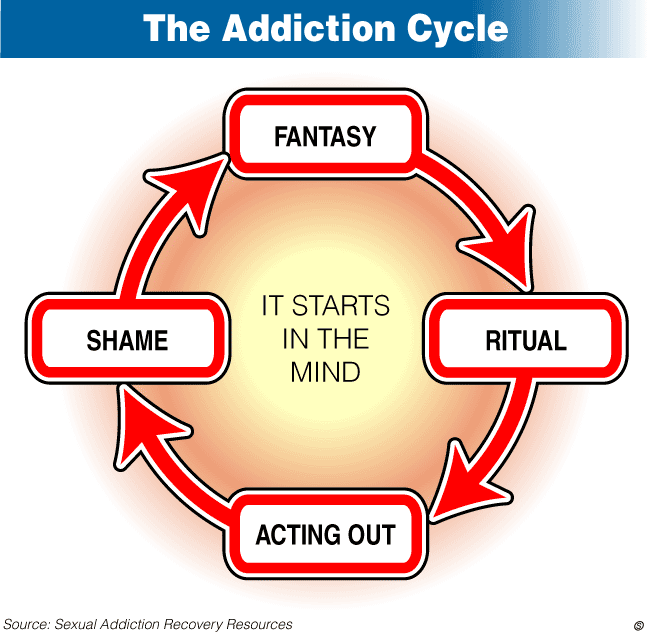
When the effects have worn off, one of the main problems linked with using alcohol to deal with anxiety and depression is that individuals may feel much worse. Alcohol is thought to use up and reduce the amount of neurotransmitters in the brain, but the brain needs a certain level of neurotransmitters needs to ward off anxiety and depression. This can lead some individuals to drink more, to ward off these difficult feelings, and a dangerous cycle of dependence can develop.
http://ragingalcoholic.com/binge-drinking/
Alcohol problems are more common among individuals with more severe mental health problems. If our underlying feelings are of unhappiness, anxiety or anger, then alcohol can magnify them.
One of the main conditions associated with using alcohol to deal with anxiety and depression is that people may feel much worse when the effects have worn off. Alcohol is thought to use up and reduce the amount of neurotransmitters in the brain, but the brain needs a certain level of neurotransmitters needs to ward off anxiety and depression.
https://www.nlm.nih.gov/medlineplus/alcohol.html
Frequently Presenting Co-Occurring Disorders
Signs and symptoms of standard co-occurring disorders
The mental health problems that most regularly co-occur with drug abuse are clinical depression, anxiety conditions, and bipolar disorder.
Prevalent symptoms of clinical depression
Feelings of helplessness and hopelessness
Lack of interest in everyday tasks
Inability to feel pleasure
Appetite or weight changes
Sleep changes
Loss of vitality
Strong feelings of worthlessness or shame
Attention troubles
Anger, bodily pain, and reckless conduct (particularly in males).
Standard indications of mania in manic depressive illness.
Sentiments of ecstasy or severe irritation.
Outlandish, grandiose beliefs.
Diminished need for sleep.
Amplified vitality.
Rapid speech and racing thought and feelings.
Diminished judgment and impulsivity.
Hyperactivity.
Anger or rage.

Common signs of anxiety.
Severe tension and worry.
Feeling restless or jumpy.
Irritability or feeling "wired".
Racing heart or shortness of breath.
Queasiness, tremoring, or dizziness.
Muscle tension, headaches.
Trouble focusing attention.
Sleep problems.
Alcohol get better title
Even though alcohol affects each person in a different way, routinely consuming alcohol excessively is very likely to generate problems in both the short and long term.
The effects of alcohol depend on a range of elements, including:
Body weight
Amount of fat or muscle mass
Sex
Age
Other types of prescription medications and substances in a persons system
Other types of chemicals in your beverages
How quickly you drink
The quantity of food in the stomach
Drinking history
Tolerance to alcohol (ETOH)
Physical health and fitness
Mental health and emotional condition.
Short-term effects
Alcohol poisoning, coma and death Blackouts
Blurred vision
Drowning
Fires
Flushed appearance
Headache
Personal injuries linked to falls, accidents, physical violence and willful self-harm
Intense moods (belligerence, elation, despondency).
Loss of motor skills.
Loss of inhibitions and a fraudulent sense of self-confidence.
Motor vehicle, bicycle and pedestrian incidents.
Nausea and throwing up.
Lowered concentration.
Slower reflexes.
Thickened speaking.
Long-lasting consequences.
Alcohol addictionAlcohol related brain injuries.
Cancer malignancies (encompassing cancer of the mouth, vocal cords, larynx, gullet, bowel (in men) and breast (in women).
Cirrhosis and liver failure.
Concentration and permanent memory issues.
Heart and cerebrovascular conditions including hypertension and stroke.
Poor nutrition.
Difficulties with the nerves of the legs and arms.
Reproductive and sex-related problems (impotence, fertility).
Body skin conditions.
Stomach grievances and problems.
Household and relationship troubles.
Substandard on the job performance.
Legal and personal economic troubles.
